
Measles is a serious illness that spreads easily — especially among kids and people who aren’t vaccinated. The best way to protect yourself and your family is by getting the MMR vaccine.
🛡️ What Is the MMR Vaccine?
The MMR vaccine protects against measles, mumps, and rubella. These are three diseases that can make people very sick. Some children may also get the MMRV vaccine, which includes chickenpox protection, too. Most people who get the MMR vaccine are protected for life!
👶 When Should Kids Get the MMR Vaccine?
Children need two doses of the MMR vaccine:
- 1st dose: When your child is 12 to 15 months old
- 2nd dose: Between 4 and 6 years old
If your child hasn’t had both doses, it’s not too late — they can still catch up!
👨👩👧 What About Teens and Adults?
Older kids, teens, and adults also need the MMR vaccine if they didn’t get it as children or don’t have proof they are immune.
Most people will need one or two doses, given at least 28 days apart. If you’re not sure if you had the vaccine, your doctor can help.
✈️ Traveling Soon?
Going outside the U.S.? Measles is more common in some countries.
- Babies 6–11 months old should get 1 early dose before traveling
- They’ll still need 2 more doses after they turn 1
- Older kids and adults should make sure they’re fully vaccinated before they travel
💙 PHC Makes It Easy to Stay Protected
At Primary Health Care (PHC), we provide vaccines for kids and adults. Our friendly team can check your records and help you get up to date.
✅ We accept Medicaid, Medicare, and all insurance plans
✅ No insurance? No problem — we offer a sliding fee scale based on your income
✅ No one is turned away, no matter what
Find a PHC clinic near you at phciowa.org/location or call us to make an appointment.
👩⚕️ Questions?
If you’re unsure whether you or your child needs the MMR vaccine, talk to your PHC provider. We’re here to help keep your family safe and healthy.
🧠 Sources:
- CDC – MMR Vaccine Information
- CDC – Travelers’ Health: Measles
Related Posts

Breast Cancer Basics: What to Know and How to Get Screened
Learn when to start mammograms, what to expect, and how PHC can help—Medicaid accepted and sliding fee scale available. Find a clinic and schedule today.

Menopause 101: Symptoms, Relief, and How PHC Can Help
Hot flashes, sleep changes, vaginal dryness? Learn simple relief options—non-hormonal and hormonal—and how PHC can help. Medicaid accepted; sliding fee available.

Healthy Snacks That Actually Keep You Full (Budget-Friendly Ideas)
Need a snack that lasts? Try protein- and fiber-rich ideas like yogurt + berries, veggies + hummus, popcorn, and more—simple, low-cost tips inside.

Suicide Prevention Month: Use Your PHC Visit to Start the Conversation
September is Suicide Prevention Month. If you’re a PHC patient, you can start a mental health conversation during any visit—medical or dental. If you need immediate help, call or text 988 for free, confidential support 24/7. Why bring this up at your medical or dental...
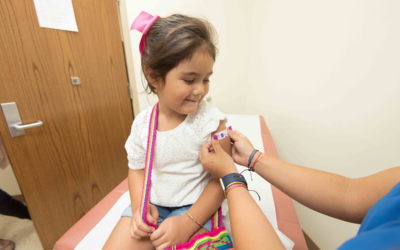
Back to School and Up to Date: August Is National Immunization Awareness Month
August is National Immunization Awareness Month. It is also back to school season. Here are the immunization your child needs to be back to school ready in Iowa.

Men: Ignoring Your Teeth Could Be Hurting Your Heart
Men: Take Care of Your Teeth to Protect Your Heart Taking care of your teeth and gums does more than give you a nice smile. It can also help keep your heart healthy. How Are Your Teeth and Heart Connected? If you don’t brush or floss your teeth, bacteria (germs) can...